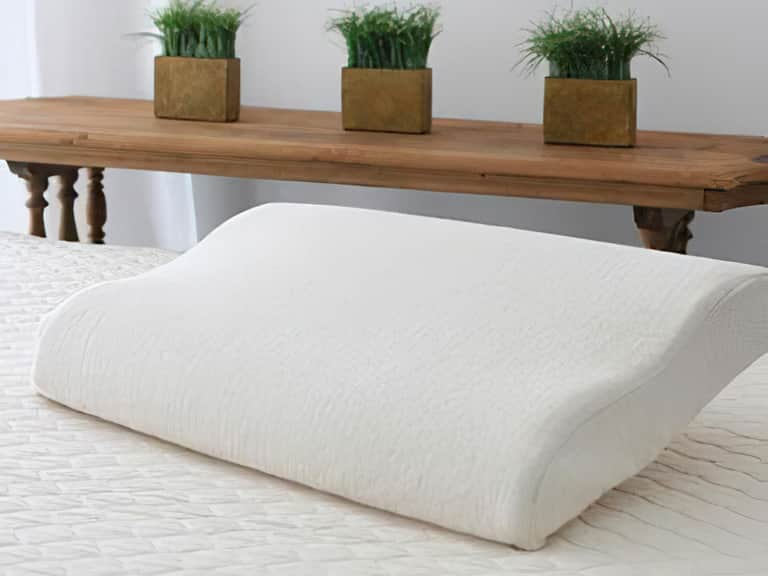
Pillows are essential for foundational sleep comfort, offering support for the head, neck, and shoulders while aligning the spine. In this category, materials like latex and wool provide distinct advantages, including responsive contouring and temperature regulation. Understanding how these options interact with sleeping positions helps users select the right level of firmness and support.
Latex pillows offer buoyant support with natural responsiveness, preserving neck alignment without excessive sinkage. They tend to resist compression over time and maintain shape, making them suitable for back and side sleepers who require stable elevation. Features such as breathable covers contribute to a cooler sleeping environment and longer lasting structure.
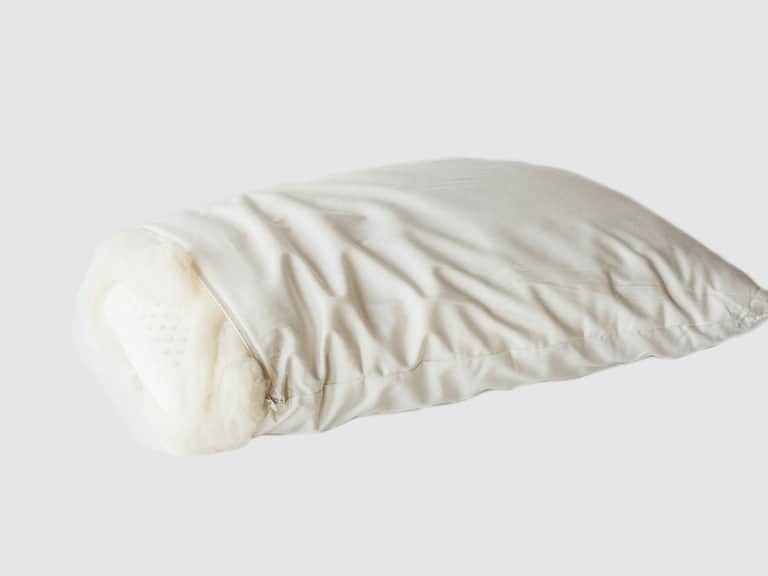
Wool pillows are valued for their moisture-wicking properties and temperature regulation, thanks to natural fibers that trap air and enhance insulation. They provide firm to medium-firm support that can be particularly comforting for combination sleepers. The resilience of wool helps retain loft, supporting the head while reducing pressure points across the night.
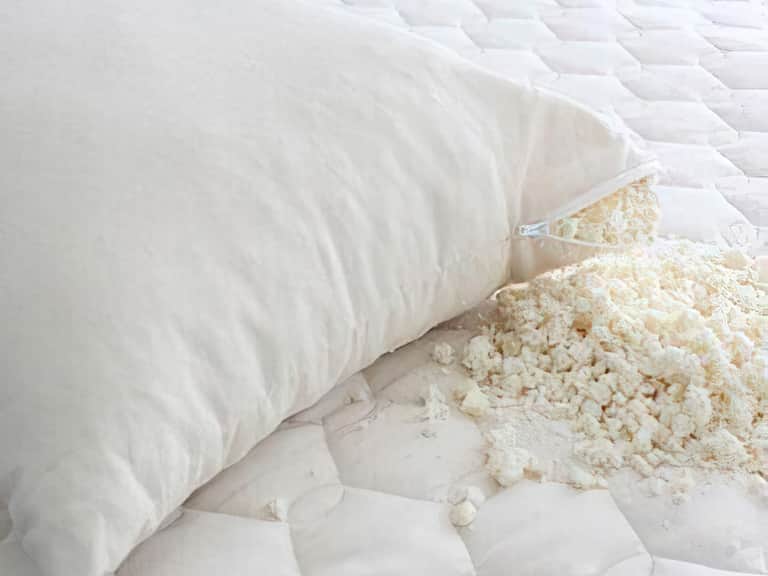
Among common pillow types, down alternatives and blends within latex and wool ranges address sensitivities and preferences for softness or support. Key functional benefits include hypoallergenic potential, resilience under daily use, and the ability to maintain loft while minimizing heat buildup. This makes them suitable for diverse sleep environments and preferences.
Understanding pillow construction, coverage, and care is important for long-term performance. Look for features such as cover materials, loft height, and fill density to match sleeping style—whether side, back, or stomach sleeping. Properly chosen latex and wool pillows contribute to spinal alignment, comfort, and overall sleep quality.
 Bedding