Introduction: What Makes a Mattress Organic?
In the quiet language of sleep, a mattress is more than a surface to rest upon. It is a negotiation between comfort, health, and the ecosystems that fed its materials. “Organic” on a mattress label signals a promise: materials produced without synthetic pesticides, chemical additives, or persistent toxins, and processes that seek to minimize environmental impact. But the term is not a single certificate or a single product attribute; it is a constellation of standards, certifications, and construction choices that together influence durability, temperature regulation, and allergen exposure.
For lamattress.co, the aim is not merely to compare prices or textures; it is to illuminate the underpinnings of organic mattresses with an evidence-informed lens. Readers should walk away with the ability to interpret spec sheets, understand certification bodies, and weigh practical considerations—like maintenance, warranty, and trial periods—against personal sleep needs and values.
Key Materials in Organic Mattresses
Organic mattresses typically foreground three core materials: organic latex, organic cotton, and natural wool. Each material carries distinct properties that influence comfort, climate control, and long-term performance.
- Organic latex: Sourced from certified plantations, latex can be Dunlop or Talalay processed. It provides buoyant support, resilient pressure relief, and excellent breathability. Dunlop latex tends to be denser and more durable, while Talalay latex offers a smoother, more uniform response with a lighter lift.
- Organic cotton: This fiber serves as a breathable, natural shell and often provides a soft-to-medium feel. Cotton fabrics used in organic mattresses are typically GOTS-certified, ensuring low chemical impact and safe processing standards.
- Natural wool: Woven into batting or used as a flame barrier, wool has superb temperature regulation and moisture-wicking properties. Wool also contributes to a natural flame-retardant profile in some constructions without synthetic additives.
Beyond these primary materials, many organic beds incorporate a careful layering logic: a support core (latency-based or latex-based), a comfort layer, and a breathable cover. The structural design, layering, and lamination affect cooling, contouring, and edge support. In the sections that follow, we examine how brands translate these materials into distinct sleep experiences.
Brand Narratives: A Look Across Represented Options
Brand choices in the organic segment reveal a spectrum—from artisan, small-batch producers to established eco-forward manufacturers. The discussion here centers on representative options from Obasan, Naturepedic, Savvy Rest, Suite Sleep, and Soaring Heart, illustrating how materials, construction, and comfort profiles vary among organizations with shared principles.
- Naturepedic: Known for a rigorous approach to organic materials, often integrating GOTS-certified cotton covers with certified organic latex. Their designs emphasize allergy-conscious comfort and durable, child-friendly options.
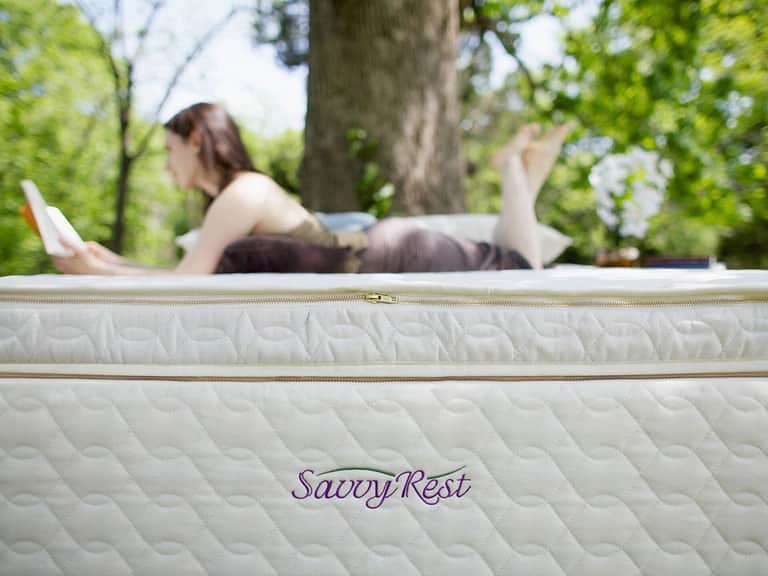
- Savvy Rest: A brand with a focus on customization through layered latex systems and an exchange program that enables layer swaps for a period after purchase. Their Unity Pillowtop model exemplifies premium latex layering and organic casings.
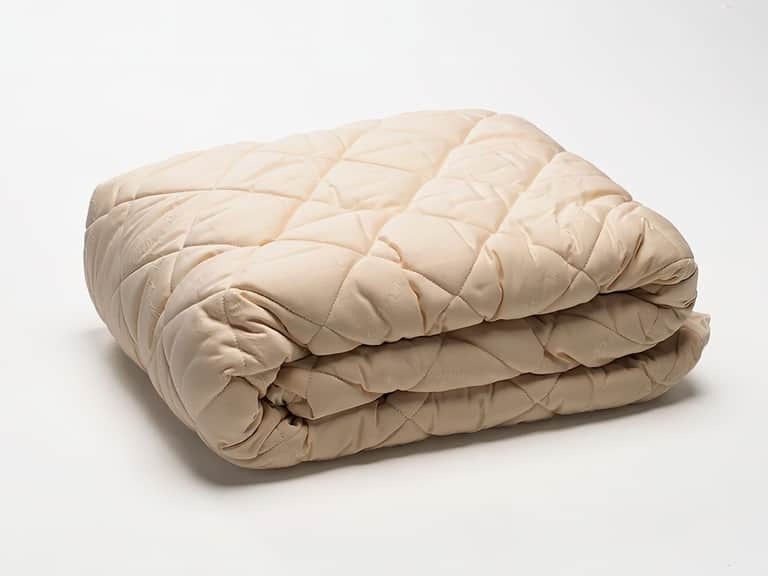
- Suite Sleep: Grows from a sustainability ethos, offering wool-filled pads and organic cotton surfaces. Their pads and toppers underscore care and washability, aligning with a holistic sleep environment.
- Soaring Heart: A boutique producer with emphasis on natural materials and transparent sourcing, often communicating a design-forward approach that prioritizes sleepers seeking a quieter, breathable surface.
- Obasan: A long-standing player with a reputation for high-integrity organic materials and careful construction, combining latex cores with natural covers for a balanced feel.
The goal is not to crown a single winner but to equip readers with the framework to compare how these brands balance organic integrity, comfort preferences, and price. Reading product pages with a critical eye—certifications, material origins, and warranty terms—helps buyers align with a sleeping surface that respects both body and the ecosystem.
Certifications as Compass: What to Look For
Certifications anchor trust. They are not mere marketing slogans but verifiable attestations about how mattresses are made, what they contain, and how the materials were processed. The most common benchmarks include:
- Global Organic Textile Standard (GOTS): A leading textile certification that covers organic status, social criteria, and environmental criteria for textiles, ensuring the cotton content and processing meet stringent standards.
- Global Organic Latex Standard (GOLS): Focused on latex materials, GOLS verifies the organic status of latex and ensures responsible production practices in the latex supply chain.
- CertiPUR-US or similar foam standards: In cases where foams are used, certifications may verify the absence of certain harmful chemicals and ensure foam formulations meet safety criteria. Organic mattresses often minimize or avoid conventional polyurethane foams, but when used, a reputable certification can help.
- OEKO-TEX or GLA certification for covers and textiles: Demonstrates low emissions of harmful substances in fabric components, contributing to healthier sleep environments.
When shopping, ask certified brands for documentation or links to certificates, verify the validity dates, and consider whether the certification scope covers the exact materials used in your chosen model. A practical approach is to map your sleep needs to three axes: material integrity, performance (support and contour), and lifecycle sustainability. Certifications serve as the north star in that map.
Buying Checklist: A Practical Framework
In the journey to a healthier sleep, the purchase of an organic mattress should be anchored in a clear decision path. The following checklist is designed to minimize trade-offs between sustainability and support, while making the decision process approachable for readers new to organic bedding.
- Identify sleep needs: Are you a back, side, or stomach sleeper? Do you wake with pressure points or heat retention? Your sleeping position guides the desired firmness and contouring profile.
- Evaluate core materials: Prioritize organic latex for durable support, wool for temperature regulation, and cotton for breathable covers. Consider your allergy profile and sensitivity to scents or textiles.
- Certifications and documentation: Request or verify GOTS, GOLS, and textile certifications. Confirm the exact materials and their traceability.
- Trial and warranty: Look for generous trial periods and robust warranties that reflect confidence in the product. A layered latex system, for example, may benefit from layer-exchange policies or long-term guarantees.
- Maintenance and care: Understand care requirements, such as spill handling for wool toppers, cover cleaning, and whether the materials require professional cleaning or simple machine washability.
- Long-term durability: Compare expected lifespans for latex, wool, and cotton configurations. Latex cores are typically durable; wool layers can regulate temperature but may require careful care to preserve loft.
- Fit and compatibility: Check foundation compatibility, movement isolation, edge support, and whether the mattress fits your bed frame, existing sheets, and mattress protector needs.
In the end, the goal of the buying checklist is to help readers understand that an organic mattress is not only about avoiding synthetic materials but also about choosing a structure that harmonizes with sleep biology and personal comfort preferences. The right choice contributes to a calmer nervous system, a cooler night, and a more restorative dawn.
To anchor this guide in a sense of continuity, we profile three influential figures who shaped our understanding of sleep and comfort across distinct epochs. Their perspectives echo through modern mattress design and certification considerations.
1) Aristotle of Sleep Philosophy (4th century BCE)
Though not a sleep scientist in the modern sense, Aristotle’s meticulous inquiries into human vitality and the body’s needs laid early groundwork for understanding rest as a component of a virtuous life. His method—observation, classification, and rational argument—encouraged later scholars to treat sleep as a domain worthy of study rather than a passive state. In the context of organic bedding, this lineage invites readers to consider how a mattress aligns with the arc of daily life, ethics, and long-term health rather than simply satisfying momentary comfort.
2) Florence Nightingale (1820–1910): Hygiene and Sleep Environments
Night underlines a bedrock principle—the environment governs wellbeing. Although she is best known for nursing reform and hospital hygiene, Nightingale’s emphasis on clean, well-ventilated environments resonates with the selection of fabrics and materials that minimize irritants and promote airflow. In lamattress.co’s framework, this lineage supports the emphasis on organic cotton, wool’s moisture management, and latex’s breathability as components of a healthier sleep habitat.
3) Modern Sleep Science: The Circadian Conversation (late 20th century–present)
Contemporary research recognizes sleep as a biological rhythm shaped by light, temperature, and hormonal processes. The modern mattress industry translates this science into tangible design choices: cool-surface textiles, breathable cores, and materials with natural thermal properties. The organic mattress movement is, in many ways, a practical extension of circadian optimization—seeking to maintain a sleep-conducive environment through carefully chosen materials and structures. This perspective anchors the lamattress.co approach: identify, verify, and compare materials with an eye toward sleep health and sustainable production.
Conclusion: A Thoughtful Path to Organic Comfort
The domain lamattress.co embodies a careful blend of information, trust, and practical guidance. By focusing on educational content about organic materials, certification standards, brand approaches, and a solid decision framework, the site becomes a resource that respects both the body and the planet. The three-timeframe figures underscore that the pursuit of better sleep is not a new fad but a continuum—rooted in a tradition of care, hygiene, and scientific inquiry.
As readers navigate product pages and certification documents, they should feel empowered to ask the right questions, compare materials with nuance, and balance sustainability with personal comfort. The right organic mattress—whether it is a Naturepedic model with GOTS-certified cotton, a Savvy Rest Unity Pillowtop latex mattress with a layered design, or a Suite Sleep wool mattress pad that complements a broader system—should feel like a natural extension of a life well-rested and thoughtfully chosen.
Further Resources and Next Steps
To support ongoing exploration, lamattress.co can offer a site map with page titles, a twelve-week content calendar, and an SEO plan tailored to organic mattress topics. Readers are encouraged to explore buying guides, material glossaries, and brand-specific profiles to deepen their understanding of how organic materials translate into real-world sleep quality.
In the spirit of NatGeo-style storytelling, the sleep journey is not merely about choosing a surface; it is about choosing a relationship with rest, health, and a sustainable future. The path forward is deliberate, informed, and human-centered.